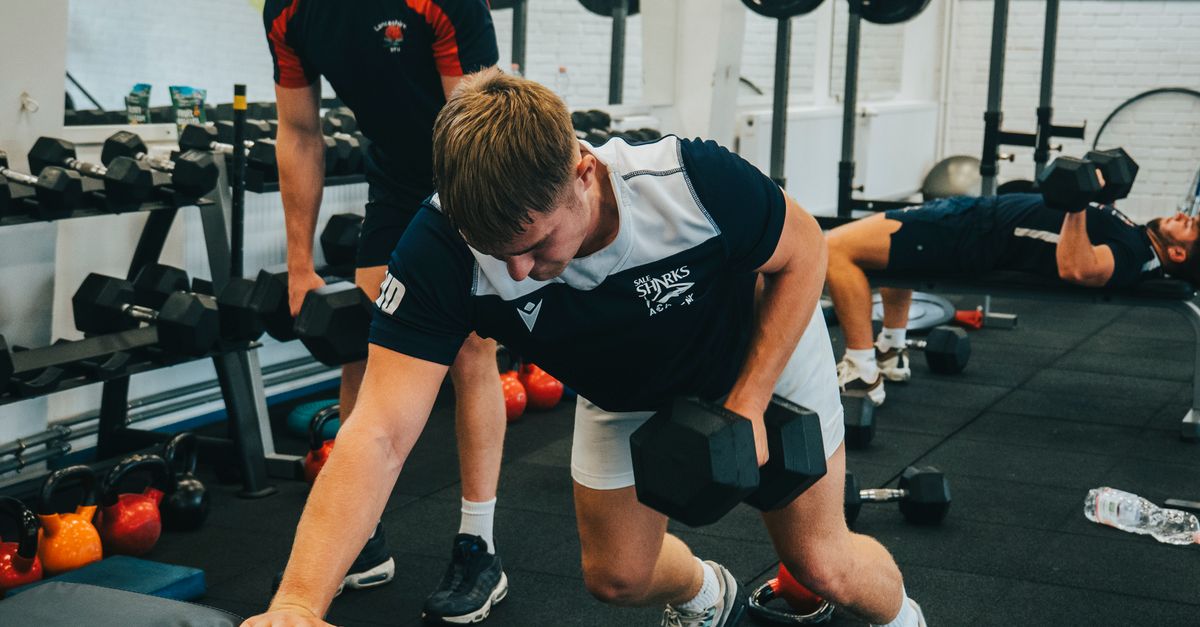
Building Community Through Small Group Fitness Sessions
Table Of Contents
Building Relationships Among Participants
In small group fitness sessions, the atmosphere fosters a sense of camaraderie among participants. Engaging in physical challenges together creates shared experiences that nurture friendships. As individuals push their limits, they often find motivation in one another. This connection grows stronger with each session, leading to supportive relationships that go beyond fitness goals.
Regular participation also provides an opportunity for individuals to learn about each other's backgrounds and interests. These interactions help break down barriers, cultivating an inclusive environment where everyone feels valued. Group workouts often lead to informal conversations and laughter, reinforcing the bonds that develop within the fitness community.
Activities to Enhance Team Bonding
In small group fitness sessions, incorporating activities that foster team bonding can significantly enhance the overall experience. Engaging in partner workouts or team challenges allows participants to rely on each other for motivation and support. Activities such as relay races or circuit challenges not only promote physical fitness but also encourage communication and collaboration. These shared experiences help to break down barriers and create a sense of belonging within the group.
Utilising fun and interactive games can further strengthen relationships among participants. Whether it's a friendly competition or a cooperative task, these activities stimulate camaraderie and create lasting memories. As members work together to achieve common goals, they develop trust and understanding. The positive energy generated during these sessions can lead to lasting friendships that extend beyond the fitness environment.
The Role of Fitness Instructors
Fitness instructors play a crucial part in establishing a positive and motivating environment for small group sessions. Their ability to connect with participants enhances the overall experience. Instructors offer guidance on proper techniques, ensuring safety while promoting effectiveness in workouts. They are also responsible for creating engaging sessions that cater to various skill levels, helping everyone feel included and valued.
The influence of instructors extends beyond just physical training. They inspire participants through encouragement and personal connections, fostering a sense of community within the group. By sharing their knowledge and passion for fitness, instructors can ignite a collective enthusiasm that encourages ongoing commitment from individuals. This supportive atmosphere can significantly impact participants’ motivation and overall success in achieving their fitness goals.
Guiding and Inspiring Small Groups
Fitness instructors play a crucial role in shaping the experience of small group sessions. They bring energy and enthusiasm, motivating participants to push their limits. Effective instructors possess strong communication skills, enabling them to clearly demonstrate exercises and provide constructive feedback. Personalised attention helps participants feel valued and encourages them to stay committed to their fitness journey. Instructors also foster a welcoming atmosphere, making it easier for individuals to connect and build rapport with one another.
The ability to adapt workouts to cater to different fitness levels is essential in small group settings. Instructors who can modify exercises ensure that everyone feels challenged yet capable. By celebrating progress and highlighting individual achievements, instructors create a sense of camaraderie among participants. This supportive environment not only enhances physical fitness but also nurtures lasting friendships among group members, reinforcing the community spirit at the heart of these sessions.
Measuring Success in Group Fitness
Evaluating the success of small group fitness sessions goes beyond just tracking physical improvements. Group dynamics, participant engagement, and individual progress can serve as significant indicators of effectiveness. Regular feedback sessions allow members to voice their experiences, ensuring that the sessions remain relevant and enjoyable. The creation of a supportive environment encourages participants to set personal and collective goals, resulting in deeper investment in the group.
Setting achievable targets plays a crucial role in maintaining motivation and accountability within the group. Fitness instructors can implement a structured system for monitoring progress, like using fitness journals or group challenges. Tracking milestones not only highlights individual achievements but also strengthens communal ties. When members celebrate collective victories, the group's sense of belonging and commitment grows, making them more likely to continue their fitness journey together.
Setting and Tracking Group Goals
Establishing clear goals is essential for any small group fitness session. These objectives provide a sense of direction, motivating participants to strive towards a common outcome. Effective goal-setting involves ensuring that aspirations are specific, measurable, achievable, relevant, and time-bound (SMART). By working together to define these targets, group members can foster a deeper sense of ownership over their progress and encourage one another throughout the journey.
Regularly tracking progress reinforces commitment and helps participants maintain focus. Implementing tools such as group check-ins, fitness trackers, or progress boards can visually display achievements and areas for improvement. Celebrating milestones, both big and small, strengthens group cohesion and builds a sense of community. This practice not only enhances individual performance but also solidifies relationships among participants, creating an encouraging environment that supports continued growth.
FAQS
What are the main benefits of participating in small group fitness sessions?
Small group fitness sessions encourage relationship-building among participants, provide a supportive environment, and allow for personalised attention from instructors, ultimately enhancing motivation and accountability.
How can fitness instructors foster a sense of community in small group sessions?
Fitness instructors can foster community by creating an inclusive atmosphere, encouraging participant interaction, facilitating team-building activities, and offering guidance and support tailored to individual needs.
What activities can enhance team bonding in fitness classes?
Activities such as partner exercises, group challenges, and team-based games can enhance team bonding by promoting collaboration, communication, and mutual support among participants.
How can I track the success of my small group fitness sessions?
Success can be tracked by setting specific group goals, monitoring progress through regular assessments, gathering participant feedback, and celebrating milestones together as a group.
Are small group fitness sessions suitable for all fitness levels?
Yes, small group fitness sessions can be tailored to accommodate all fitness levels, allowing participants to work at their own pace while still benefiting from the motivation and camaraderie of the group setting.
Related Links
Top Small Group Personal Training Techniques for SuccessMaximising Results with Small Group Training Dynamics
Essential Equipment for Small Group Personal Training Sessions
How Small Group Classes Foster Motivation and Support
The Role of Accountability in Small Group Personal Training
Designing Effective Small Group Workout Routines
Overcoming Fitness Plateaus in Small Group Training Environments