Comparing Outdoor and Indoor Bootcamp Sessions
Table Of Contents
Equipment Options in Outdoor Bootcamps
Outdoor bootcamps often rely on minimal equipment to harness the environment's natural features. Resistance bands, kettlebells, and medicine balls provide versatility for strength training while easily fitting into group sessions. These tools can be used creatively across different terrains, allowing participants to engage muscles in unique ways. Additionally, elements like benches, steps, and even park structures serve as props for bodyweight exercises, contributing to varied workout routines.
Incorporating outdoor elements enhances the overall experience for participants. The use of hills, stairs, and open spaces facilitates functional fitness training, promoting agility and endurance. Natural terrain challenges individuals to adapt their training methodologies, with opportunities for sprints, lunges, and plyometric exercises integrated seamlessly into the environment. Such variations not only foster engagement but also encourage a connection with the outdoors, making workouts more enjoyable and dynamic.
Utilising Natural Terrain and Props
Participants in outdoor bootcamps often have the advantage of using natural terrain to enhance their workouts. Hills, stairs, and uneven surfaces provide unique challenges that can improve strength, endurance, and agility. Incorporating these elements into a session not only diversifies the workout but also takes advantage of the environment to create a more dynamic training experience.
Props are another key feature of outdoor sessions, encouraging creativity in exercise routines. Items such as resistance bands, kettlebells, and even large stones can be integrated into workouts, adding resistance and variability. These props allow trainers to design versatile routines that cater to different fitness levels while leveraging the surroundings. By efficiently using both natural terrain and props, outdoor bootcamps can offer engaging and effective sessions that keep participants motivated and challenged.
Equipment Availability in Indoor Bootcamps
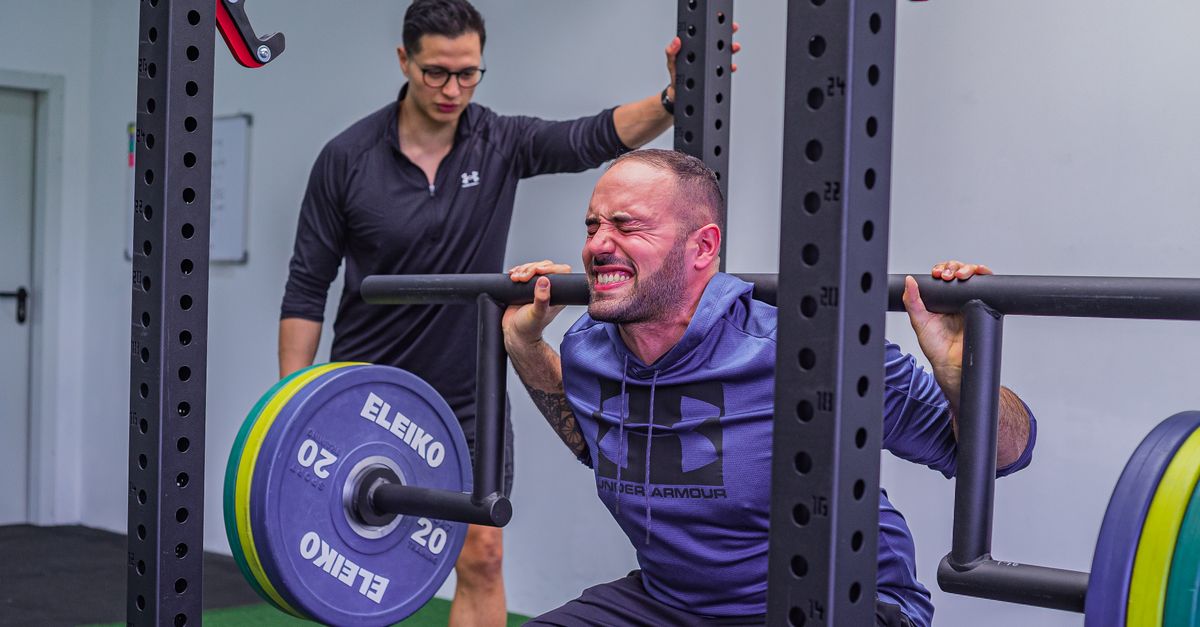
Indoor bootcamps typically have access to a wide range of fitness equipment, allowing for diverse and structured workouts. Gym spaces often include weights, resistance bands, kettlebells, and cardio machines such as treadmills and bikes. This variety promotes tailored workout plans that cater to different fitness levels and goals, from strength training to high-intensity interval training (HIIT).
The presence of specialized fitness gear enhances the overall experience in these controlled environments. Facilitators can incorporate tools like medicine balls, stability balls, and TRX systems, facilitating a comprehensive approach to fitness. The consistent availability of equipment also enables participants to gradually progress in their routines, making it easier to challenge themselves over time.
Access to Diverse Fitness Gear and Machines
Indoor bootcamps typically offer a vast array of fitness equipment that caters to various workout needs. Participants can utilise machines such as treadmills, stationary bikes, and rowing machines, all of which provide options for tailored cardiovascular workouts. In addition to cardio equipment, a range of weights, kettlebells, and resistance machines is available, enabling facilitators to design comprehensive strength training sessions. This diversity allows for structured programming that caters to different fitness levels and goals.
The controlled environment of indoor bootcamps enhances the ability to incorporate unique fitness gear into the training routine. Equipment such as battle ropes, foam rollers, and medicine balls are easily accessible, and can be seamlessly integrated into circuits and challenges. With fewer limitations posed by space and weather, trainers can effectively create multi-faceted workouts that engage participants. This setup also provides easier access to instructional guidance on using specific machines or equipment safely, ensuring a focus on technique and overall fitness progression.
Impact of Weather on Bootcamp Experience
Weather can significantly influence the overall experience of outdoor bootcamps. Rainy days may deter participation, leading to smaller groups and a less energised atmosphere. On the other hand, sunshine can create a vibrant environment that fosters motivation and camaraderie among participants. However, extreme heat presents its own challenges, requiring adjustments to workout intensity and hydration strategies. Trainers must be prepared to keep safety as a priority while ensuring that workouts remain engaging in varying conditions.
Adaptations are essential when working outdoors, especially under unpredictable weather. Participants may need to utilise available shelter during adverse conditions, adding an element of creativity to their routines. In contrast, favourable weather can enhance activities, allowing for a broader range of exercises that take advantage of the natural surroundings. Overall, the impact of weather conditions on bootcamp sessions is multi-faceted, influencing not just the physical layout of exercises but also the mental resilience and group dynamics amongst participants.
Challenges and Adaptations for Outdoor Sessions
Outdoor bootcamp sessions present a unique set of challenges influenced by environmental conditions. Weather variability can impact participants' comfort and safety. Rain can make surfaces slippery, while strong winds may disrupt exercises. Additionally, outdoor pests like insects can become a nuisance during workouts. The reliance on natural terrain also means that uneven ground or sudden changes in the environment can pose risks, requiring careful attention from trainers.
Adaptations become essential in ensuring a safe and effective workout. Trainers often modify exercises to cater to the conditions, such as offering alternatives for high-impact activities when surfaces are wet. Participants might be encouraged to wear weather-appropriate gear to enhance comfort. Design modifications, such as using local props like benches or rocks, add creativity while utilising the existing environment. This flexibility enables those attending outdoor sessions to maintain engagement with their fitness routines despite facing unpredictable elements.
FAQS
What are the main differences between outdoor and indoor bootcamp sessions?
Outdoor bootcamp sessions typically leverage natural terrain and elements like hills and grass, while indoor bootcamps offer access to a wider variety of fitness equipment and machines in a controlled environment.
How does weather affect outdoor bootcamp sessions?
Weather can significantly impact outdoor bootcamp sessions, presenting challenges such as rain, heat, or cold. These conditions may require instructors to adapt the workout or find alternative locations to ensure participant safety and comfort.
What types of equipment are commonly used in outdoor bootcamps?
Outdoor bootcamps often utilise natural terrain and props such as resistance bands, kettlebells, and bodyweight exercises. Participants may also use available features like benches, stairs, or hills for varied workouts.
How do indoor bootcamps typically ensure equipment availability?
Indoor bootcamps usually have access to a range of fitness gear and machines, including weights, cardio machines, and resistance equipment. This allows for structured workouts that can be tailored to different fitness levels.
Which bootcamp option is better for beginners?
Both outdoor and indoor bootcamps can be suitable for beginners. However, indoor bootcamps may offer a more controlled environment and access to equipment that can help those just starting their fitness journey.
Related Links
Nutrition Tips to Complement Your Bootcamp TrainingBootcamp Sessions: Tailoring Intensity for Every Fitness Level
Transformation Stories: Success from Bootcamp Participants
The Role of Community in Successful Bootcamp Sessions
A Sneak Peek into Newcastle's Best Bootcamp Sessions
Essential Gear for Effective Bootcamp Workouts