Overcoming Injury Through Specific Personal Training Strategies
Table Of Contents
The Role of Professional Guidance
Navigating the complexities of injury recovery often requires the expertise of qualified professionals. Personal trainers and coaches possess the knowledge and experience to devise tailored rehabilitation programmes. Their guidance ensures that individuals engage in safe exercises that take into consideration specific injuries. This professional oversight can help prevent further complications and promote a more efficient recovery process.
Moreover, collaborating with health professionals like physiotherapists or sports medicine specialists can significantly enhance the rehabilitation journey. These experts can assess an individual's unique situation and recommend strategies that align with personal goals. Access to such comprehensive support not only aids physical recovery but also boosts confidence, motivating individuals to adhere to their rehabilitation plans.
Working with Personal Trainers and Coaches
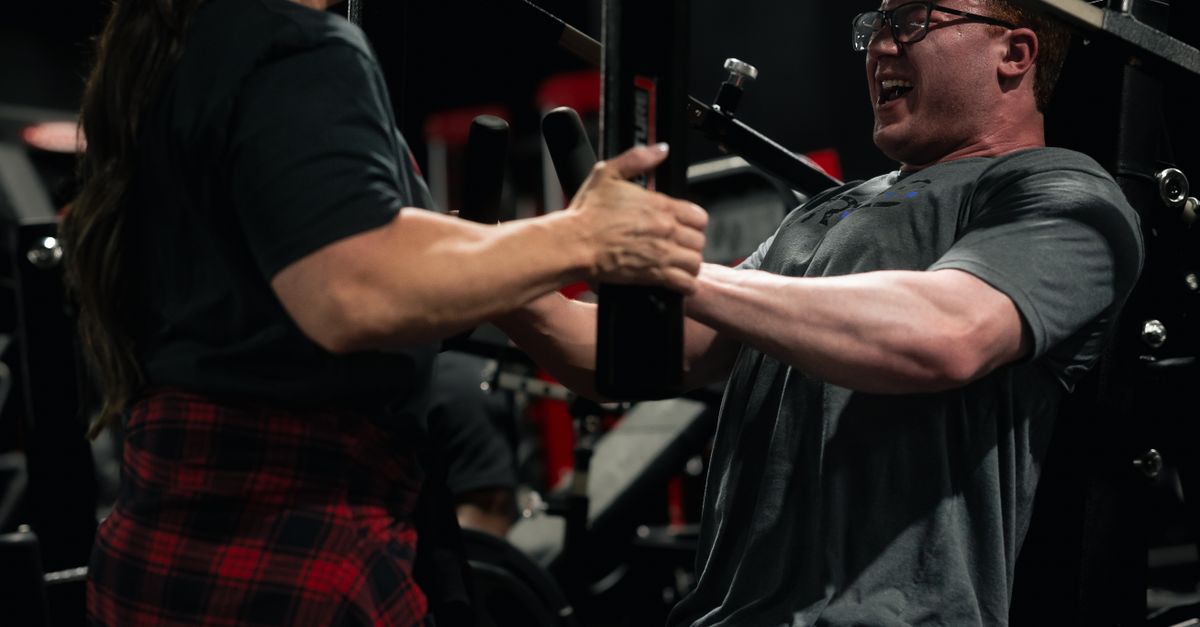
Engaging a personal trainer or coach can significantly enhance the recovery process after an injury. These professionals possess the knowledge and skills required to create tailored training programmes that cater specifically to individual needs. They assess the extent of the injury and design exercises that promote healing while ensuring safety. With their expertise, clients can navigate the complexities of rehabilitation and exercise, which may be overwhelming when faced alone.
Additionally, personal trainers offer invaluable support and motivation throughout the recovery journey. Their encouragement plays a crucial role in maintaining a positive mindset and getting back on track. By helping clients set realistic goals, they foster a sense of achievement, which can be a powerful motivator. This partnership often transforms an otherwise challenging experience into a collaborative effort, making the path to recovery smoother and more efficient.
Nutrition’s Influence on Recovery
Proper nutrition plays a crucial role in the recovery process from injuries. A balanced diet rich in essential nutrients can significantly affect healing time and overall health. Proteins are particularly important, as they help repair damaged tissues and build new muscle. Including adequate carbohydrates provides the necessary energy levels for the body to engage in rehabilitation exercises. Healthy fats also contribute by supporting inflammation reduction and providing overall cellular health.
Hydration is equally vital when it comes to recovery. Ensuring that the body has sufficient fluid levels aids in nutrient transport and helps eliminate toxins. Incorporating a variety of fruits and vegetables into meals offers in-built vitamins, minerals, and antioxidants that can expedite the healing process. Monitoring intake and adjusting dietary plans as needed becomes essential, as individual nutritional needs may change depending on the nature and severity of the injury.
Fueling Your Body for Optimal Healing
Proper nutrition plays a vital role in the healing process following an injury. A balanced diet rich in vitamins and minerals can significantly enhance recovery times. Key nutrients like protein support tissue repair, while antioxidants help reduce inflammation and oxidative stress in the body. Incorporating foods such as lean meats, fish, eggs, nuts, and a variety of fruits and vegetables can provide the essential building blocks for recovery. Staying hydrated is equally important, as water aids in nutrient transport and helps maintain optimal bodily functions.
In addition to macronutrients, specific dietary strategies can also support healing. For instance, omega-3 fatty acids found in fish or flaxseed may contribute to reduced inflammation. Incorporating probiotics can improve gut health which is crucial for nutrient absorption. It is essential to maintain a regular eating schedule to ensure the body is adequately supported throughout the recovery journey. Prioritising nutrition will not only facilitate a faster return to full health but can also bolster overall physical and mental well-being during the rehabilitation process.
Mental Resilience in Overcoming Injury
Building mental resilience is crucial for anyone facing injury. It involves developing a strong mindset that helps individuals navigate the challenges of rehabilitation. Embracing a growth mindset can lead to a deeper understanding of one's body and capabilities. This perspective encourages the belief that setbacks are temporary and provides motivation to push through difficult times. Engaging in mindfulness practices can also improve emotional regulation during recovery, allowing for a more focused approach to healing.
Staying motivated throughout the recovery process can be quite demanding. Establishing realistic goals can provide a sense of direction and purpose. Celebrating small victories along the way can enhance feelings of achievement and progress. Maintaining a supportive network, whether through friends, family, or fellow athletes, creates an environment that fosters motivation. Sharing experiences and challenges within this group encourages accountability and inspiration, further reinforcing the importance of mental resilience in overcoming injuries.
Techniques for Staying Motivated and Focused
Maintaining motivation during recovery can be challenging. Setting small, achievable goals helps build confidence and provides a sense of accomplishment. Regularly tracking progress boosts motivation; visual reminders of past successes can serve as a powerful tool. Emphasising the journey rather than just the endpoint encourages a positive mindset, transforming setbacks into stepping stones.
Creating a routine can enhance focus and consistency. Incorporating new and varied exercises keeps the training sessions fresh and engaging. Seeking support from friends, family, or support groups reinforces commitment and fosters a sense of community. This network can provide encouragement during difficult times, reinforcing the belief that recovery is a shared journey.
FAQS
How can a personal trainer help me recover from an injury?
A personal trainer can provide tailored exercise programs that accommodate your injury, ensuring that you strengthen your body safely while promoting recovery. They also offer professional guidance and support to help you stay motivated throughout the rehabilitation process.
What nutritional changes should I consider to aid my recovery?
Incorporating a balanced diet rich in protein, healthy fats, and complex carbohydrates is essential for recovery. Foods high in vitamins and minerals, such as fruits and vegetables, can also support healing. Consulting a nutritionist can help you create a personalised nutrition plan.
What mental strategies can I use to stay motivated while recovering from an injury?
Setting realistic goals, practicing mindfulness, and maintaining a positive mindset can help you stay motivated during your recovery. Techniques such as visualisation and gratitude journaling can also enhance mental resilience and focus on your progress.
Is it safe to exercise while recovering from an injury?
Yes, but it's crucial to follow the advice of your healthcare provider or personal trainer. They can help you determine which exercises are safe and appropriate for your specific situation, ensuring you don't exacerbate your injury.
How long does it typically take to recover from an injury with the right guidance?
Recovery times vary significantly based on the type and severity of the injury, as well as individual factors like age and overall health. With the right guidance and commitment to a structured recovery plan, many people can see significant improvements within weeks to months.
Related Links
Customised Fitness Regimens for Endurance Athletes in NewcastleImproving Athletic Performance with Goal-Based Personal Training
Preparing for Fitness Competitions through Focused Training
Building Mental Resilience Through Specific Goal-Driven Training
Transforming Body Composition: Expert Guidance in Newcastle
Developing Functional Fitness for Daily Activities with a Trainer